Isaiah 25:6-10; Philippians 4:12-14,19-20; Matthew 22:1-14
After the total devastation of the earth, the punishment of everyone irrespective of their social status, this passage is the passage of hope.
It starts with “On this mountain”, a location deeply connected to teaching and revelation, and what follows is the description of the most desirable feast for all. While the earlier description of the punishment hit everyone equally, the feast is also for everyone.
The best food and drinks for body and soul, but also the sorrows and the mourning will be taken away. Death will be destroyed. It sounds like paradise. The hope for God to save everyone gives joy and a reason to praise. The mountain, indeed, is a special place. God will protect this promise.
In his letter to the Philippians, Paul has just reminded them that following in the footsteps of Christ is setting the mind on heavenly instead of earthly things. When sharing his experience, he clearly wants the people to think beyond food and glory – as he says in the preceding chapter (3:19), he warns them of making their stomach their God.
Paul reiterates that he has also experienced real ups and downs. The experience has taught him that it doesn’t matter if one is rich or poor, hungry or satisfied. What is important is to be true to God and praise God, because as long as God is with us, we will be strong and overcome all difficulties in life. This might be a consolation for those who are poor, unhappy, grieving or who feel excluded from society. God will provide for us in a heavenly way.
Isaiah’s description of the people of Israel having lost everything and then enjoying the best life truly gives hope to everyone.
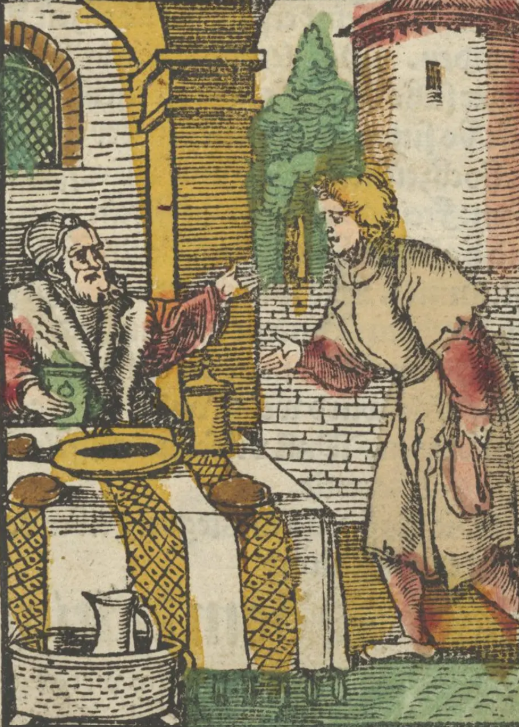
In this parable in the Gospel according to Matthew, Jesus, addressing the chief priests and elders, gives another example of what the Kingdom of Heaven is about. Jesus tells them the parable of a banquet. Being invited to a royal wedding is certainly special, but when it comes to the heavenly kingdom, it is even more special. In the parable, the king chooses the guests and invites them: the ones who appear to work for the kingdom and are close to the king. However, these invited guests, the ones whose names are on the invitees list who one expects would be honoured to be invited in the first place, take the invitation for granted and find excuses not to come. Some go as far as maltreating and even killing the messengers.
Do they realise that they are invited to the royal (heavenly?) kingdom celebrating the wedding of a royal son, the heir? Do they not know what celebration is awaiting them? Are they so spoiled that they don’t care for special food, drinks, entertainment and, not the least, the honour of being invited?
Shared joy is supposed to double the joy. A wedding feast without the guests would mean empty seats and tables. The king gives instructions to invite anybody from the street – people he doesn’t know and whose character he doesn’t know.
Apparently, all guests who were brought in receive a wedding garment but then the king discovers someone who is without this symbol of being invited. The person is punished immediately. We don’t know anything about him.
First, it strikes us to be strange – if the guests are not known to the king and he invites anybody who they could get, why would he get upset about a man who appears to have sneaked in?
But then we are reminded that it is the king’s celebration. The king decides on who is invited and only the invitees are supposed to be there. The celebration is not taken into the streets and food distributed there, but it is rather a special feast, a royal banquet. If the king is so generous as to invite the poor and the marginalised, then it is his decision.
The sentence before this parable mentions that the chief priests and elders knew that the parable was targeting them and that they were looking for reasons why to have Jesus arrested. Maybe this uninvited man was symbolising their attempt to intrude with dishonest thoughts?
The first challenge we are facing is that God is inviting us, and we pretend not having time for God. The second challenge is to remember that God invites everybody to his feast. If we join this celebration, we need to be welcoming to whoever sits next to us and who joins the celebration. Only then will the celebration be filled with joy and hope for all participants. Let us make an effort and follow invitations and herewith acknowledge the host and show appreciation for being chosen.
BM