Isaiah 45:1,4-6; 1 Thessalonians 1:1-5,19-20; Matthew 22:15-21
Cyrus the Great was the ruler of the huge Persian Empire. His empire was so huge that Cyrus was also called the ‘King of the Four Corners of the World’. His empire included Babylon, where the Israelites had found refuge. His success in conquering nations during his reign (559-530 BC) would have meant for the people of the time that God was in favour of Cyrus. Cyprus was also known for allowing the people in the conquered lands to continue practicing their religions and follow their traditions.
One of the nations that Cyrus conquered was Lydia, in today’s Turkey. The King of Lydia of the time, the last one in the history of the land was Croesus. Thanks to the gold resources in Lydia, Croesus was immensely wealthy and is said to have issued the first true gold coins with a standardised purity for general circulation. In several European languages, there are still today expressions like ‘rich as Croesus’.
According to Isaiah, God spoke to Cyrus and reminded him of God’s people who God wanted to return to their homeland. So, when the Persians under Cyrus conquered Babylon, he set the displaced Israelites free.
When reading Paul’s letter to the Thessalonians one could think that Paul is writing to someone in prison to encourage the person. However, it is the other way round. Paul is writing from prison where he is evangelising and from where he is greeting the Thessalonians.
Paul compliments the Thessalonians for their faith in action and their commitment to faith, hope and love, the core triad of Christian character and spiritual life.
In the Gospel according to Matthew, Jesus has been telling several parables to the Pharisees and Scribes. They know that he is criticising them and their hypocrisy. Jesus has been able to criticise them indirectly, so they have no proof in their hands to denounce Jesus.
In this situation, they use the tension between the Jewish belief and the taxes that are being paid to the Romans who occupy and control the land.
When Jesus is approached by them and the Herodians, he immediately realises that they try to lay out a trap for him. The Herodians were a political group of Hellenistic Jewish supporters, and if Jesus questions them or the Roman authority, he would be punished, and potentially jailed or executed.
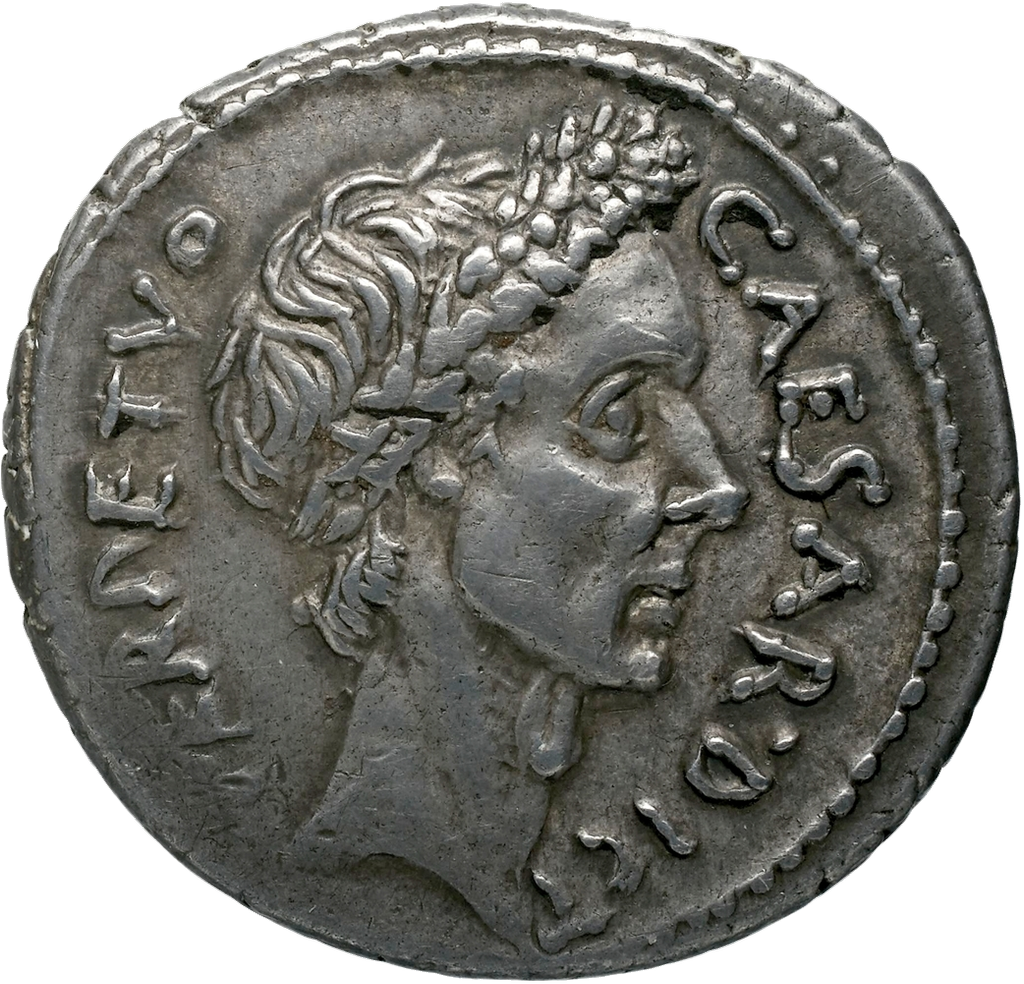
However, Jesus sees the trap behind their sweet talk. He defines the coins as having come from the Roman empire and will go back there through the taxes while God is in control of the heavenly kingdom: ‘give back to Caesar what belongs to Caesar – and to God what belongs to God.’
In the first Reading we learned about Cyrus being empowered to conquer the wealthiest empire with the first standardised coins used as currency. Despite all the money that Cesar might receive through taxes, he would not be as wealthy as Croesus, and Croesus was still defeated by Cyrus – because God was on his side.
Before Alexander the Great’s time, only the gods were portrayed on money. In fact, it is said that Julius Cesar was the first Roman emperor following the Persian example to have his own portrait on the coins.
The coins were hence connected with gods and with emperors who wished to be ‘god-like’. The portrait showed clearly where the coins came from and where they would have value.
God’s kingdom is not of this world, so worldly wealth doesn’t matter for God. Even Croesus can be stripped off his power – but God’s power is different. As Paul points out again and again: faith, love and hope are the true values that count for a Christian. On this Sunday when we remember 100 years of Missio, we might add: our currency is love for God, our neighbour and for ourselves leading to faith in action.
BM