Wisdom 12:13,16-19; Romans 8:26-27; Matthew 13:24-43
We sometimes tend to ask God to provide for us. We expect God to award us when we think that we are doing everything right. However, this is a human way of looking at the bigger picture of life. In the Book of Wisdom we are called to take things in our own hands. We need to be aware of when we are acting justly – the way God wants us to act.
If we are humble and do the best we can to please God, we won’t have to worry about being criticised. We will be fine. Even if we are not perfect, there is also the chance of repentance and forgiveness.
In Romans 11:14 we read “We know that the law is spiritual; but I am carnal, sold under sin.” Paul describes the human weaknesses in the flesh but at the same time gives us hope through the strength in the spirit. Just like in the Book of Wisdom, God doesn’t abandon us for our failures. In fact, God even sends the Spirit to strengthen us in our weaknesses. God knows us better than we know ourselves. Our best selves reflect what God wants of us – and when the words of our prayers are inspired by the Holy Spirit, they are beyond human words.
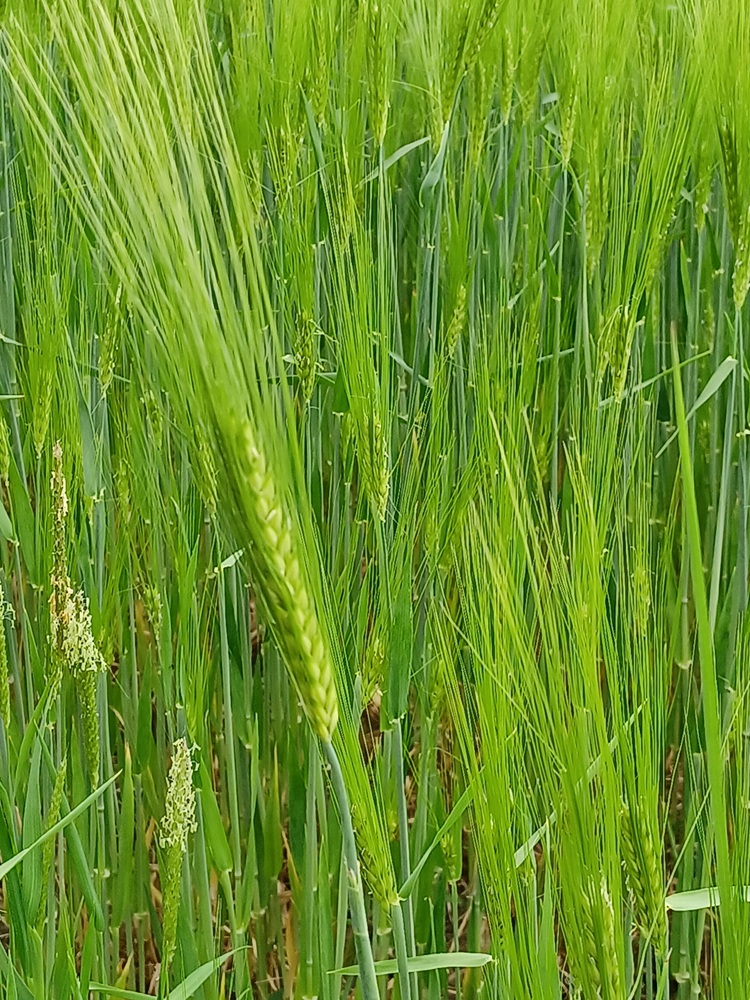
In the Gospel according to Matthew, Jesus tells the crowds three parables. The first one is another parable about seeds and a sower. The good seed is sown, and good harvest is expected, but an enemy interferes and sows weed between the good seed. When the workers realise the problem, their first choice is short sighted and influenced by their indignation. How come someone dared to plant weeds between the good seed? Their reaction is to remove the weed immediately. The master, however, thinks further. He knows that ripping out the bad plants would risk damaging the good plants. He tells his workers to wait until harvest time. Then, the plants would be at their prime strength. Then, the good wheat would be strong enough to endure potential damage through neighbouring plants being ripped out. As for the weed, it would be harvested first and burnt before it could produce new seed. The remaining plants will be strong and healthy and will be stored in the barn to produce food.
In the second parable Jesus compares the kingdom of heaven to a mustard seed. This example shows how even the smallest seeds can turn into a huge plant that will provide shelter. Matthew often calls the people to repent “for the kingdom of heaven is at hand.” (e.g. Matt 3:2 and Matt 4:17). The people might not have known how to imagine the kingdom of heaven, but the example of the mustard seed shows that nothing is too small or too insignificant to turn into the kingdom of heaven which will provide shelter to many.
The third parable recounts the story of a woman preparing food. Sowing has often been considered as the work of a man, the harvesting needs the community, but in Jesus’ culture, the preparation of meals has been mainly woman’s work which was necessary but didn’t get the attention that it would deserve. Jesus refers to the yeast a woman uses to make bread. After harvesting the good wheat, the flour is made. The flour is certainly considered the main ingredient of bread, but it is important to remember that the best wheat and the best flour can’t turn into bread if there is no yeast. The woman knows exactly the right proportions of flour and yeast, and she knows how to mix it best in order to prepare the dough for the good bread. Anyone who cooks and bakes knows that you can put all your effort in a dish or cake, but if a tiny ingredient is missing, all efforts might be in vain.
In all three parables, Jesus points out the beginning of something big. He tells people to be aware of the small things and actions that would be necessary to reach the ultimate goal: the kingdom of heaven.
Jesus leaves the crowds without explaining the parables. If his audience is filled with the Spirit, they will understand the message and maybe follow Jesus. However, even if they only understand the parable in a very literal sense, they might realise that every little deed in one’s life is important.
When Jesus returns to his followers, his disciples, they ask him to explain the first parable. Why did they not ask about the other two? Did they think that they would understand them without explanation, or did they think that the explanation of the first parable will lead into understanding the other two?
Jesus’ explanation is a true warning. Jesus is aware of what is happening in the background, and he repeats the warning he has expressed earlier: “Listen, anyone who has ears!” The act of listening which requires deeds that would please God – the one who has given us ears to listen…
God doesn’t want us to be afraid or fearful, but rather to trust in the support of our advocate, the Holy Spirit. If we listen to the Spirit God has provided us with and act accordingly, we have no reason to fear and we will find the kingdom of heaven in small details in our lives.
BM