Isaiah 55:10-11; Romans 8:18-23; Matthew 13:1-23
God’s actions are not without effect. Within the concept of a closed circle connecting heaven and earth, rain falls on the ground and eventually ends up back in heaven. Even though this concept might seem useless, the important part is to remember what happened on the way. The soil is watered, plants can grow and can feed animals and humans.
In a similar way, when God sent Isaiah to speak to the people, Isaiah’s words would have an impact on the people as they are God’s words.
Just before the passage of the day, God is quoted with the words “As the heavens are higher than the earth, so are my ways higher than your ways and my thoughts than your thoughts.”
God has sent a prophet, Isaiah, to speak to the people of Jerusalem. God’s words will be followed by actions.
Paul explains the difference between living in the flesh or in the spirit to demonstrate what it means to be a follower of Jesus Christ. Those who are living in the Spirit of God are children of God and heirs. However, while this also means that we might suffer as did Jesus, we would also rise in glory with him. This prospect of glory comforts us in the suffering.
Whatever happens will be the will of God. God has created everything and God’s Creation is eager to see the children of God revealed. The glorious revelation will also be the end of our sufferings on earth. This prospect gives hope. However, while one might think of passive expectation and waiting patiently, the picture that is drawn is that of childbirth which means that even while waiting, the promised glory and freedom might not come without pain.
The Parable of the Sower according to the Gospel of Matthew follows a situation where Jesus had just faced pressure from the Pharisees, asking him for a sign. He was surrounded by a crowd of people when he was told that his mother and brothers had come. Jesus clearly connected any close relationships with “whoever does the will of my Father in heaven is my brother and sister and mother.”
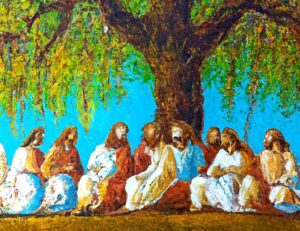
Then, he escapes the crowd and sits down at the seaside – until the people discover him and start surrounding him again. So, Jesus gets in a boat, distances himself from the people and tells them the Parable of the Sower.
Isaiah was very clear that the Word of God would always make an impact – even though it might only be really understood by few.
In the parable, Jesus gives the people four scenarios of where the Sower’s seed could fall and what the result would be. Without the context, the people wouldn’t understand what Jesus means. His disciples are surprised that he talks to the crowd this way. It seems like Jesus doesn’t feel that they have opened their hearts for his message. They might be fellow Jews, but he doesn’t reveal the meaning of his message to them.
Jesus explains the parable to his disciples, the community of faith, the ones who truly listen, see and understand.
The scenarios of the parable describe three persons who are spreading the Word of God: the one who hears the Word without understanding, the one who hears the Word and welcomes it at once with joy but falls away at once when tested, the one who hears the Word, but doesn’t produce anything, and, finally, the one who hears the Word and understands it and who produces fruit.
Just like the seed is always the same, the Word is also the same. As it is written in Isaiah, “the word that goes from my mouth does not return to me empty”. Four scenarios in the Parable of the Sower, but only one scenario brings forth fruit. None of the scenarios describe a situation where the Word is rejected, but in three scenarios the seed is lost, i.e. the Word is not truly understood. From hearing without listening to listening and reacting with superficial joy and to the one whose worries are suffocating the development of the seeds, there is only one scenario where the seed falls on fertile ground and can ultimately bear fruit.
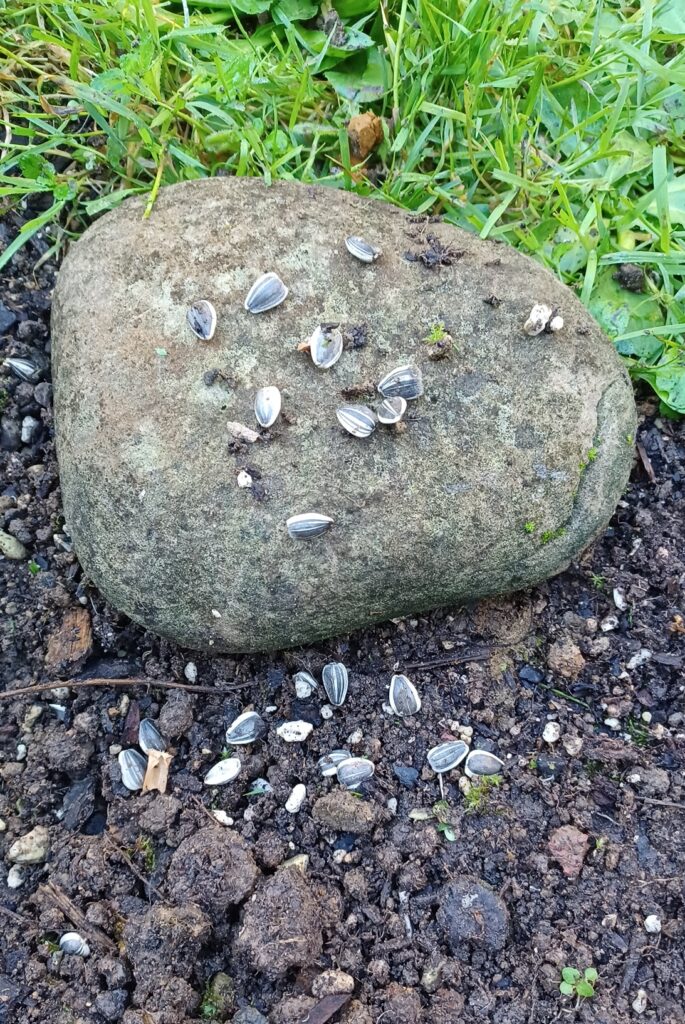
Is the story about the soil, the seed or the Sower?
If Jesus, as the Sower, knows the soil very well, he will also know where the seed will bring the best harvest. So, if a group like the Pharisees asks him a challenging question, it is obvious that the soil is not prepared yet and can easily be blown away. If a group like the crowd is interested and follows him but maybe considers Jesus as just another great miracle worker, then the soil is being prepared but not ready yet. If a person approaches Jesus directly and wants to follow him but then hesitates when learning that they have to leave their family or riches behind, then the ground might be ready, but the plant is restricted with its growth and will never reach its full potential.
However, if the ground is well prepared and the conditions are good for the plant to grow roots, then the plant will be resistant to a temporary lack of water or a strong wind.
The seed is precious. So, the Sower wants to plant the seed on the good soil that has already proven to nourish the first seed. So that soil had received and will receive more seed. The plants will grow and from there on spread and multiply – even if the Sower is not around.
As it says in Isaiah, it doesn’t just rain for the sake of raining. God wants the water to nurture the earth and produce food. When the seed dies, it has to break before it can give birth to a new plant.
Listen, anyone who has ears! Jesus calls us to listen – to hear, understand and act. Do we really listen to the Word of God or are we only hearing it and then walking away?
BM