I remember when I was part of a group that was discussing the idea of a maximum wage. If there was a certain minimum wage that was needed to lead a dignified life, would it not be appropriate to also have a maximum wage? The discussion was quite passionate in both directions, and there was an obvious shift to naming sums of money. However, this was not the topic. The topic was about the question in principle: would it be fair to limit the amount of money or resources available for one person and would an excess of wealth not also imply a responsibility to share at least some of the wealth without determining any conditions?
When some people have everything they need and much more – that’s when purchasing influence and power has always been a serious challenge in democracies. The founders of the democratic idea were aware of it and so insisted on having functioning checks and balances in place, to contain this challenge.
Why would it be fair or justifiable for someone to earn more than they could ever spend in their lives? While you could leave it to them to further grow their wealth, to give it away, to gamble and lose it – or to invest it in projects of their choice, you could not force them to invest their money in projects that benefit the wider common good.
When individuals or companies become so wealthy that there are different rules for them, when they might not even pay taxes but instead lend their money to Governments against interest, the democratic principle of equality is at stake. Governments become dependent on the financial support of these individuals and companies.
Who is then in charge? Some of the wealthiest people in the world are openly against democracy, equal rights and obligations for all, the dignity of every human being and many other principles that generations of people around the world have fought for so bitterly.
In 1948 the UN declared the Universal Human Rights. What an achievement after two world wars. The hope was to never have another war.
Sometimes we forget that Pope Leo XIII’s encyclical Rerum Novarum was written about 50 years earlier, and if the Catholic Social Teaching from his encyclical had been followed, the wars might have been avoided.
The development of Artificial Intelligence (AI) in the last few years has been fast. So fast that new regulations can’t keep up with the development. Who will be held accountable when things go wrong? Who will pay the price?
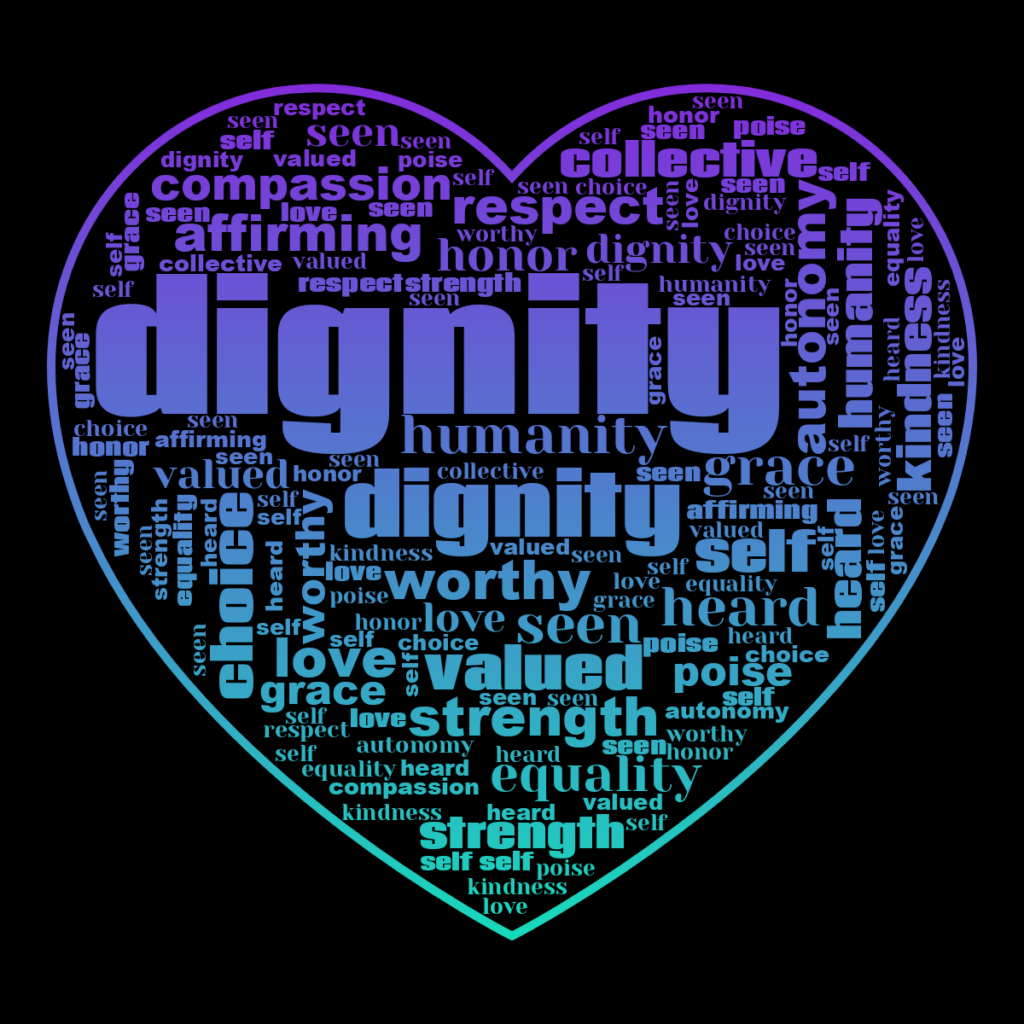
Pope Leo XIV addresses those in power, politicians, developers and the industry, and he asks them to keep the human dignity in mind. In his encyclical Magnifica Humanitas he raised three points (#164):
- Transparency and accountability: when data and algorithms influence credit distribution, personnel selection or access to services and opportunities, it is necessary that decisions be understandable, contestable and subject to oversight, so that individuals are not reduced to mere profiles.
- Inclusion and access: the benefits of innovation must be paired with investments in skills, infrastructure and essential services to ensure that technology does not widen the gap between those who have and those who have not.
- Measures to ensure equity: taxation, social protection and industrial policies must correct the imbalances created by the concentration of wealth and power.
In the Gospel according to Mark, Jesus is quoted with the words “The Sabbath was made for man, not man for the Sabbath.” (Mark 2:27). Maybe we can ask ourselves if progress and technology are meant to serve the human being rather than vice versa.
BM