Isaiah 55:6-9; Philippians 1:20-24,27; Matthew 20:1-16
The description of the future glory of Zion is full of hope. God invites all to come and not to be afraid. God will quench the thirst, provide the food and meaningful work. Those who listen to God will live and enjoy the everlasting covenant promised to David. God is there, looking after all of us and offering everything one could wish for – as long as we actively seek God.
There will be no difference to what someone has done in the past as God will show mercy and will forgive any shortcomings. God doesn’t think like a human being would think. God’s thoughts and God’s actions are beyond anything that we could understand.
In his letter to the Philippians, Paul addresses the leaders of the community. He gives thanks to them and affirms that he keeps them in his prayers even if he is in prison for professing his faith. While Paul is in prison, some of the leaders continue to preach without fear, but their motivations differ. Some preach for their own sake, and others want to use Paul’s imprisonment to protest. Paul doesn’t judge them but is grateful to them that they proclaim the message of Christ. Despite Paul’s suffering in prison and his yearning to be with Christ, he is ready to stay alive to do the work he has to do.
What does the kingdom of heaven look like? In Matthew 19 the kingdom of heaven is mentioned again and again. Jesus tells his disciples that eternal life, the kingdom of heaven, belongs to those who are like little children, to those who leave everything behind and follow him.
However, Jesus also alerts the disciples of possible misunderstandings. While there is a hierarchy in society, some who are wealthier or are considered more ‘worthy’ than others, God thinks and acts differently. Those who think that they would be first, might even be last to enter the kingdom of heaven.
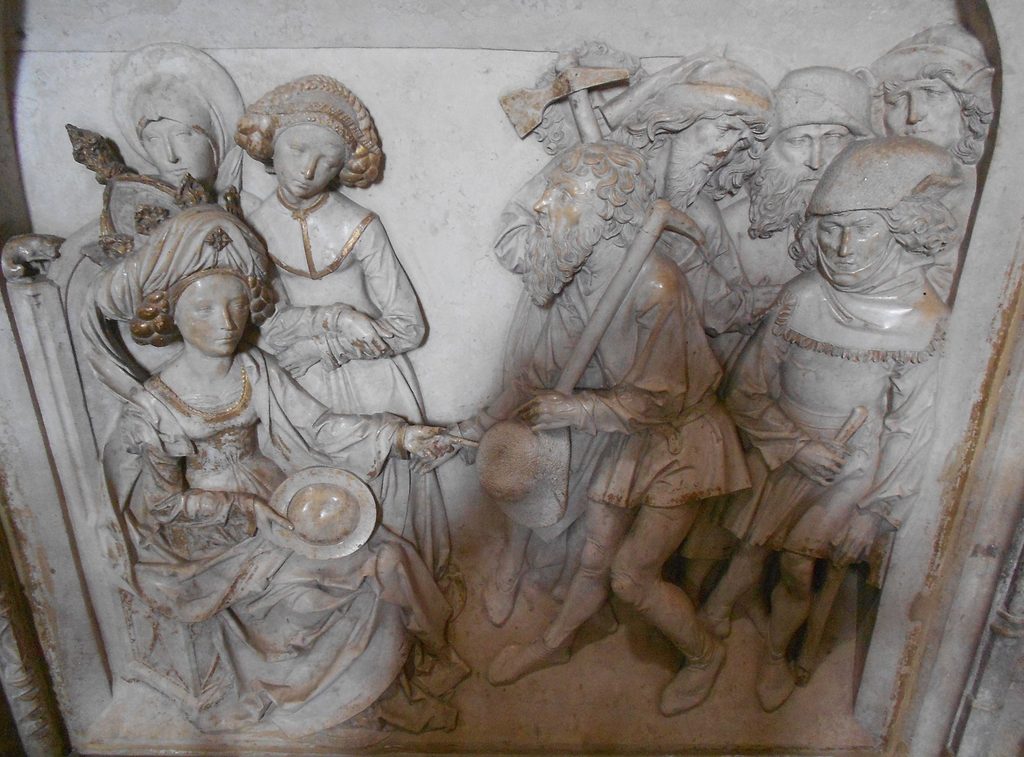
Jesus uses a practical example to explain what he means. A landowner hires workers for his vineyard at different times of the day, promising a certain wage for the day. He doesn’t promise an hourly rate or a productivity rate, but a daily rate. When it comes to the payment of the wage at the end of the day, those who worked all day felt that they were taken advantage of as they thought that they would be earning more than those who joined the work last.
This is a very human thinking based on fairness. Alas, if we think this way, we have not understood what God had tried to express through Isaiah when he said ‘your ways are not my ways’ and Jesus in his message to the disciples and the young rich man who thought that he would be entitled to enter the kingdom of heaven.
Jesus’ story about the workers in the vineyard leaves some questions open for us, and we might need to consider the historical context. The gospel doesn’t mention that there were some men who refused to work but rather some men who were chosen by the landowner. Each time the landowner picks some workers, they immediately go to the vineyard and start working.
Even today, there are many countries where workers offer their work force at the beginning of the day. If someone needs workers, they go and hire them. It is obvious that the first ones chosen would be those who are young, strong and healthy. They will be capable to work all day. The later the day, the weaker the workers might be. The physical strength, however, doesn’t indicate a willingness or unwillingness to work. All those offering themselves are ready to work. Many of them would have families that depend on them and their earnings.
In this light, the landowner would have given everyone the opportunity to work and earn their own and their families’ living according to their ability. While the early workers are complaining that they don’t earn more, they forget that they could easily be in the same unfortunate situation as those who were hired last. We don’t know if the last ones were standing in the heat all day and hoping that someone would give them a chance and hire them. The landowner gave them more than a chance. He gave them dignity instead of alms.
God is merciful beyond human understanding. The example of the landowner is an example of the kingdom of heaven…
We can trust in God. God wouldn’t ask of us more than we can do, we have to be ready when we are called, when we are chosen. Some might be chosen when they are very young, others are chosen in a mature stage of their lives. We just have to be ready to listen and to act. Then God will provide us with all we need.
BM