Zephaniah 2:3,3:12-13; Psalm 145(146):6-10; 1 Corinthians 1:26-31; Matthew 5:1-12a
The beatitudes provide the foundation of our lives – almost like a Golden Rule.
The Prophet Zephaniah warns the people of Jerusalem. He calls them out as they have drifted away from the God of Abraham who has promised that
“I will make you into a great nation, and I will bless you;
I will make your name great, and you will be a blessing.
I will bless those who bless you, and whoever curses you I will curse;
and all peoples on earth will be blessed through you.” (Genesis 12:2-3)
In return, God asks Abraham and his descendants to honour the covenant with God.
What has happened? The rich and powerful, the unjust and selfish population of Jerusalem seems to ignore Zephaniah’s warnings and take the promised blessings for granted. God is more than disappointed, but even then, God’s wrath is not blind. God spares the just and lowly, and those who live their lives in integrity and humility. They give hope to a new beginning.
The Psalm reiterates God’s contribution to the covenant: God is just to the oppressed, looks after the poor and sets prisoners free. This is what God also expects of all faithful. The words used remind us of Mary’s Magnificat.
In his letter to the Corinthians, Paul reminds the believers of who they were when they chose to follow Jesus. Were they influential, wealthy and wise? God doesn’t choose people according to human concepts, and there is no reason to boast about human values. God doesn’t choose those who believe they have a right to be chosen. No, God’s choice is based on God’s terms. Jesus Christ represents God’s wisdom and virtue.
When God chooses those who are considered lowly in human terms, those who are important in our society, will feel humiliated. Paul reminds the powerful that their power is limited to their earthly lives.
In the Gospel according to Matthew, Jesus speaks from the mountaintop. Ascending a mountain was seen as a symbolic gesture as mountains have been places of revelation and teaching.
Just like Moses had received the Torah on Mt Sinai and then taught it with authority; Jesus follows in Moses’ footsteps. When Jesus sits down and talks to his disciples, the crowds see and potentially hear his message. The crowds are witnesses.
What follows, is a lesson that should characterise the Church: the beatitudes.
‘Blessed are…’ Some translations refer to ‘Happy are’, but it is only with the translation of ‘blessing’ that we see the connection to Genesis and Zephaniah.
This passage is contrary to the belief that the rich and powerful are rich and powerful, because they are blessed by God. Sometimes people say that a person is blessed when they have all material possessions one could dream of. Sometimes people consider those blessed who have children, a good partner, family, friends or a good job.
Jesus’ message is challenging, but it is not new. It is similar to God’s message to Abraham in Genesis and to Zephaniah’s warning in Jerusalem.
The beatitudes are challenging because they contradict the usual pursuit of happiness in a human world. They turn our world upside down.
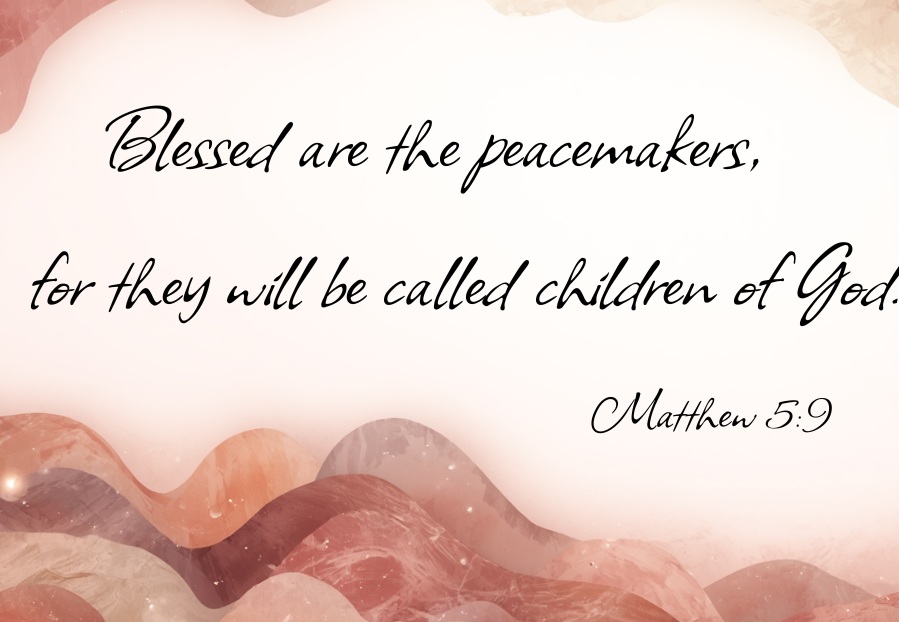
God blesses the weak, the lowly, the forgotten in our society, and by calling them out, God calls all those out who have forgotten about them or who have ignored them.
Not only is this a call to get out of our comfort zone, but also a harsh criticism of our societies.
If we had listened to God’s warnings to Abraham and Zephaniah, there would be no poor, no hungry, no lowly. We would all be true children of God looking after one another.
However, God’s message is also a message of hope. The beatitudes have been misused to calm people down, keep them subdued by promising them a better life after death. This would contradict God’s call to justice. Read in the context of Genesis and Zephaniah, it is very clear that God calls the believers to stand up and to defend and support the disadvantaged. When there are people who are disadvantaged, it is not time for complacency, but rather for action.
All believers are called to action – called to build a just and fair society that would please God and our covenant with God. God’s blessings are with the disadvantaged as well as with those who seek justice and reach out to the disadvantaged.
BM