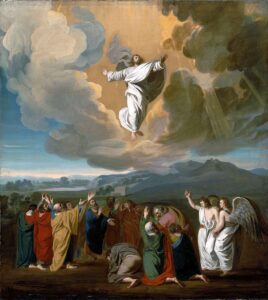
Isaiah 60:1-6; Psalm 71(72):1-2,7-8,10-13; Ephesians 3:2-3,5-6; Matthew 2:1-12
The birth of Jesus has brought light into the world – and with Christmas in the Northern Hemisphere being celebrated from the turn of long nights to longer days, this is a beautiful sign of hope. In the Southern Hemisphere, the peak of the long days has been reached. The sun is more intense, and people are more likely to be outside to see the stars at night.
The stars, the lights in the darkness are hopes and signs across the world.
Many cultures and traditions are based around the stars. We know today that, several thousand years ago, there were, for example, astrologists among the Maya and among the Persian elite. Their knowledge amazes us even today.
The Persian Zoroastrian priests were called “Magi”. They had the kind of knowledge that must have astonished people so much that the words magic and magicians derive from them.
These Magi discovered a star that must have been different to the others – and it was moving. Why did these wise men from the East see the star first? Were these strangers the only ones who recognised a sign in the star? Was the star too close for those living in Judea?
It reminds us of Jesus not being able to perform miracles in his hometown. We need people from the outside who come with fresh eyes, point us to something that might have been too obvious for us to see – and it is through these kind of outsiders, through the strangers, that we might discover something precious right in front of us and maybe even within us.
In the first Reading, Isaiah compares the light with God’s glory. While people might still be surrounded by darkness, the light has come. This light will draw people to God, no matter their culture, origin or status: the leaders of the tribes who are descendants of Abraham and people from the wealthiest kingdoms known to Isaiah’s audience will come, some even with dromedaries and camels, the majestic animals capable of travelling long distances through the wilderness. All are coming to see the glory of God, and they bring the gifts for royals, gold and incense, the most precious gifts the people could imagine. Everyone comes to sing and praise God.
Psalm 71 confirms the message of universal adoration. Every nation will adore God – as far as one could imagine, until the end of the earth. Jonah once tried to escape to Tarshish, but he couldn’t escape his calling. The riches and the precious gifts that are being brought to praise God are similar to Isaiah’s account. The additional message is about justice and peace. A message of hope for all nations. For everyone.
In Paul’s letter to the Ephesians, he proudly proclaims that God had entrusted him with the grace for all. God’s grace does not come through the light as in Isaiah, but rather has been revealed, brought to light, to the apostles and prophets through the Holy Spirit. The Spirit brings the light and the knowledge, and through the gospel, people of all nations are children of God.
The Gospel according to Matthew is the only Church gospel that describes the journey and arrival of the wise men. These men from the East, probably Zoroastrian priests, are convinced that the magnificent star they are following leads to the birth of a very special king. When they arrive in Jerusalem, they would have thought that the newborn king would be in the royal palace there.
However, not only don’t they find the newborn king at the royal palace, but also the king didn’t know about it. When they realise that the king doesn’t know about the birth, this would have made them suspicious. A new king who is not of the current lineage?
Why did the wise men have to get information about Bethlehem from the King’s scribes? Where was the star? Were the wise men distracted by their logical thought that the new king would be born in a palace? Was there a big cloud overshadowing the capital? A kind of cloud of unknowing?
Whatever the reason why the wise men informed King Herod. It might have been to confirm the Scriptures which Herod’s Scribes consulted.
Once the wise men leave with the message from the Scriptures, the star appears again and leads them to Mary and the child who are found in a house. The wise men bring three precious gifts and give homage.
The types of gifts are fulfilling Isaiah’s prophecy: gold and incense, the most precious gifts of the time. However, a third gift is added: myrrh. It is commonly said that this third gift is announcing Jesus’ death. The newborn king is more powerful than any other king, but with his power comes his death – and Resurrection.
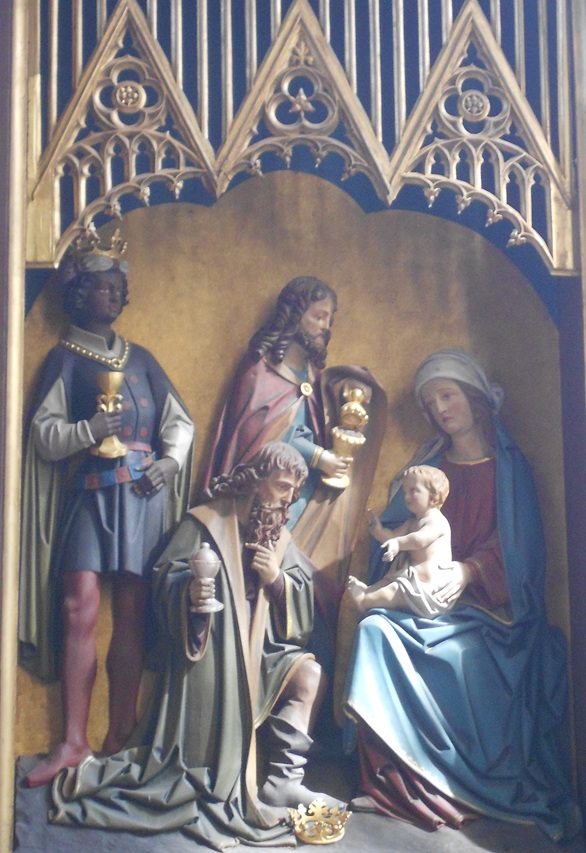
“The sight of the star filled them with delight “. The wise men have now found the new light of the earth. They are filled with this new light and the grace of God, as Paul said.
The star has fulfilled the task to the visitors. The birth of the new king is announced in the royal palace and Jesus has received the royal gifts.
The new messenge for the wise men comes in a dream. The new light has opened their hearts and minds. They are no longer strangers, but they are part of the people of God. Just like Joseph receives his instructions in a dream, they also receive their instructions in a dream.
They know how to find their way home. They don’t need neither the star nor Herod’s scribes. They don’t hesitate to follow God’s instructions. They are filled with God’s grace.
God sends us signs to reaffirm that we are not alone. If we open ourselves to God’s grace, we will receive God’s message. It might be in a star, in a dream – or in an encounter. We are all different and God loves us irrespective of our ethnicity, culture, nation or status.
BM