2 Kings 5:14-17; 2 Timothy 2:8-13; Luke 17:11-19
Naaman, the leper. Without reading the passages that lead to this healing story, one might not be aware that Naaman was a highly decorated warrior who had played a key role in his king’s battles. He had won the fight over other warriors and armies but was desperately fighting a disease. The disease is called ‘leper’ but seems to be different to what we understand of leper today.
His status, his wealth and even his religion are not of any importance when he approaches the Prophet Elisha. He is identified as ‘the leper’. He is seeking help.
His journey to this point is already remarkable. He follows the advice of his wife’s servant, a Samaritan girl. This girl might have joined his household as a result of a won battle. Why does he trust her? He follows her advice not because he truly believes in it, but rather in desperation. Any potential help and chance of healing is taken.
When Naaman hears that he is told to bathe in the River Jordan, he thinks that he is being lied to. He regrets having travelled so far to immerse himself into a local river. Again, he listens to a servant of his who convinces him to follow the instructions – and he is healed.
The next part of the story is about his gratefulness. He wants to pay Elisha as he would have paid a doctor, but Elisha refuses to take payment. The healing has come through God, and Naaman has not only found healing, but also belief in Elisha’s powerful God.
After Naaman’s healing, ‘his flesh became clean once more like the flesh of a little child’ – in other words, it is almost like born again.
In Paul’s Letter to Timothy, Jesus’ Resurrection is stressed. An illness can be like a prison and the healing like a release. It is known that Paul spent time in a prison, and that he suffered for his belief. Paul gives comfort as he reiterates not to give up – even if we have to die with Jesus, this is not the end as we ‘shall live with him’.
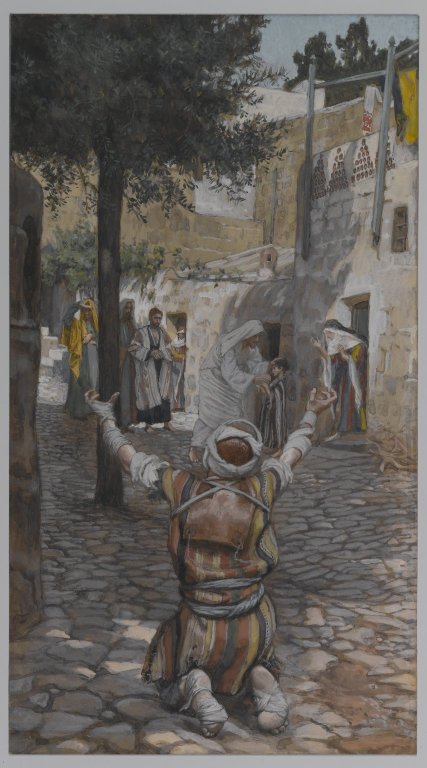
In the Gospel story, Jesus is on his way from Jerusalem to Samaria when he encounters a group of ten men who are suffering of an illness, and they are described as lepers. Why is the number ten mentioned here? The number 10 reminds us of the 10 Commandments, the 10 plagues and the minimum number of men required for certain Jewish prayers, the minyan.
As is the case with Naaman, they have heard of a prophet who could heal them. In this account it is Jesus who is being urged to heal them.
Jesus doesn’t touch them but rather instructs them to present themselves to their priests who would have the authority to declare them as cured.
On the journey to the authorities, they are healed. They don’t have to bathe or perform other acts of cleansing. Jesus doesn’t use a magic wand and heals them on the spot, but he rather sends them on a journey. Once they realise that they are healed, they might have been so happy that they rushed to meet the priests and to be declared cured and cleansed to be part of their society again. We don’t know if they praised God when they realised that they were healed, but we know that only one of them returned to Jesus to thank him and to praise God.
The one who returns to thank Jesus is from Samaria – another parallel to the first Reading where the servant girl recommended to seek help from the prophet from Samaria.
The Samarian leper who was healed returns to Jesus, and, in addition to his healing, he receives another grace: ‘Your faith has saved you.’ Jesus tells him that he is not only healed here on earth but that he is saved. The ‘foreigner’ is saved – not the other nine cured men who are likely to believe in the God of Israel.
Three Readings of hope and healing. God heals irrespectively of belief, wealth or origin. The reward is the cleansing, the start of a new life in faith, praising God.
BM