Habakkuk 1:2-3,2:2-4; 2 Timothy 1:6-8,13-14; Luke 17:5-10
“Why do you set injustice before me, why do you look on where there is tyranny?” Isn’t this a question we ask ourselves today?
The prophet Habakkuk is said to have lived around 612 BCE and is acknowledged by the Abrahamic religions Judaism, Christianity and Islam – with different interpretations.
Habakkuk criticises God and the fact that God apparently allows the injustices in the world. There doesn’t seem to be any attempt of the prophet to fix any problems. God is seen as almighty, and if injustices happen, they must be tolerated by God…
Paul reminds Timothy of the fruit of the Spirit, of the Spirit’s power that grows with love and self-control. God has given a flame, but it needs to be nurtured.
Little faith, no faith….
A topic that comes up with the disciples again and again. Is it about trust? Is it about action? Is it about hope?
This Sunday’s passage on the Gospel according to Luke, Jesus calls for justice. Jesus warns of hypocrites and calls to have faith.
Just before Jesus turns to the example of the mustard seed, he reminds the disciples to look after the “little ones”: “It would be better for them to be thrown into the sea with a millstone tied around their neck than to cause one of these little ones to stumble.”
Protecting the vulnerable and those who depend on their masters. Luke is addressing the gentiles and calls for justice for all. The teachings of protecting the vulnerable and forgiving sins might be new and challenging for the disciples. They react with asking Jesus to increase their faith.
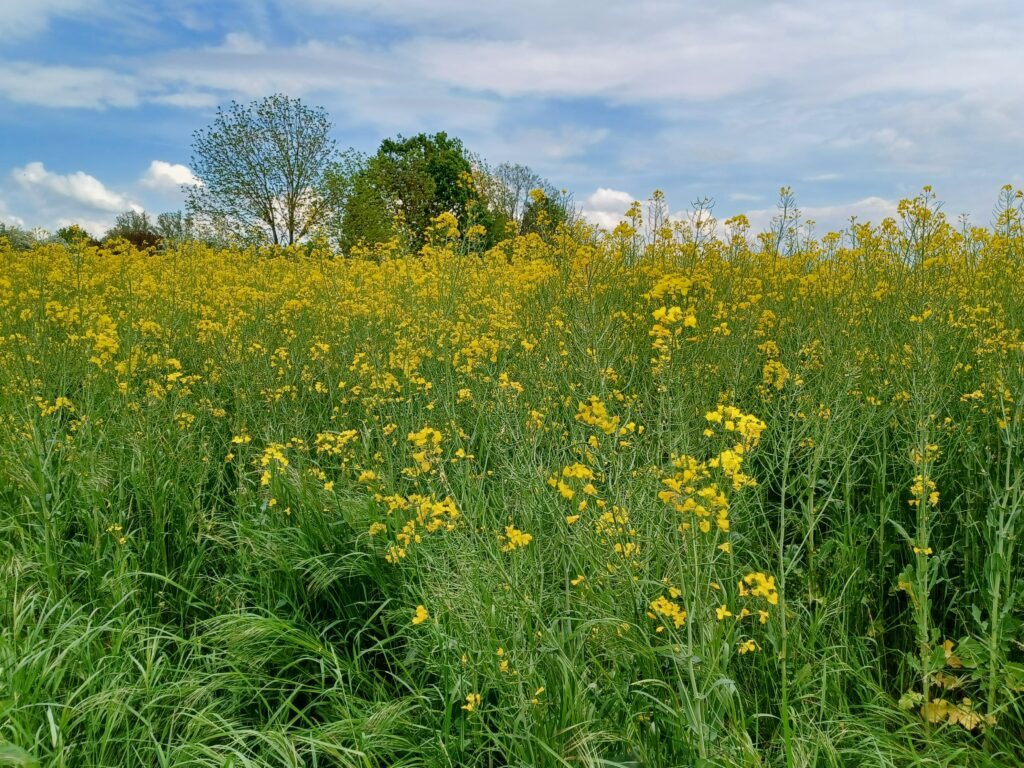
Just like Habakkuk asking God to fix things, the disciples ask Jesus to act. This is when Jesus gives them the example of the little mustard seed that you can hardly see, but yet, it is the beginning of a huge tree. Almost like a secret. Similar to the mulberry tree that has long roots which are invisible but give good grounding to a big tree.
The examples from nature are extreme but will certainly remain in the disciples’ memories. What does this mean for daily life? Jesus gives an example that his disciples would be familiar with – and that can apply to today as well.
Let’s replace the word slave by employee, child, mother etc. If that person works all day, it is important to give the person a rest rather than taking advantage of the person.
BM