Jeremiah 38:4-6,8-10; Hebrews 12:1-4; Luke 12:49-53
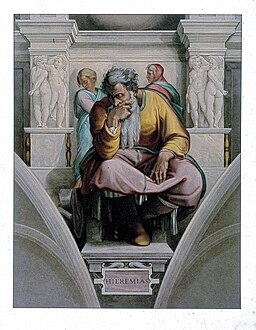
The account about Jeremiah, a major prophet from the so-called Babylonian Period (6th century BCE), describes how a messenger is made responsible for the message he brings.
Jeremiah doesn’t deliver the optimistic message that a false prophet would have brought: a message of peace and harmony – God will protect the people in Jerusalem from the Babylonian Army.
No, Jeremiah is not proclaiming the message of peace that the people want to hear. He speaks the truth as God wants him to do. He has been asked to convey a warning to the King of Judah. While the people of Jerusalem are hoping to be saved by the Pharaoh’s army, God warns that they couldn’t count on this support but would rather have to surrender and leave Jerusalem to survive. This is certainly not the message “the king’s leading men” want to hear. Just like some people ignore a warning light or turn it off instead of taking it seriously, the men hide Jeremiah in a cistern. Out of sight, out of mind.
These men are ready to kill Jeremiah and ask the king for his approval of the punishment, but the king doesn’t seem to feel responsible for any action against Jeremiah. Who is responsible?
The situation around Jesus comes to mind. Pilate has to consent to Jesus’ death sentence, and yet he ‘washes his hands in innocence’.
In Jeremiah’s case, he is saved and can finally convey God’s message to the king.
In Paul’s letter to the Hebrews, we are asked to be led by Jesus – irrespective of how difficult or painful the situation is. Jesus had to face opposition and didn’t give up fighting the good fight. Once we have overcome sin, we will be freed of the burden that prevents us from truly following in His footsteps. However, we need to remember that the good fight is still a fight and not an easy floating.
In Luke, Jesus refers to fire and to baptism. Is this the baptism of fire?
While fire has a destructive power, it also is warming and nourishing – and purifying. Since ancient times, fire has been used in purification rituals leading to renewal or transformation. Baptism is connected to water and washing, hence, also to purifying and transformation.
The Jewish people were waiting for the Prince of Peace, the Messiah. Similarly to the people who met Jeremiah and who preferred a false prophet who would tell them that everything would be fine, and that God would protect them no matter how they behaved, the people in Jesus’ time were hoping that Jesus would bring peace to all.
However, God wants us to play a part in bringing peace. We need to fight the good fight, which might include enduring opposition for our belief – sometimes even in our own families.
BM