Reflection, Sunday 23 February 2025
1 Samuel 26:2, 7-9, 12-13, 22-23; 1 Corinthians 15:45-49; Luke 6:27-38
In the Book of Samuel, Saul is looking for David in the desert. The desert, an unhospitable area, provides protection for David. When Saul can’t find David, he doesn’t leave the area but rather rests. That’s when God made Saul and his men fall into a deep sleep – at the edge of the wastelands. Last week we read about the dry scrub in the wastelands which symbolised the tree that would not bear fruit.
David and Abishai can’t believe the fact that Saul is now in their hands. The one who came to kill David could now easily be killed by David.
However, David feels that God didn’t deliver Saul to him for taking revenge. He calls Saul “anointed” and leaves the judgement to God. David trusts God. It seems like he doesn’t quite trust Saul and so he makes sure that he can prove that he was sparing Saul.
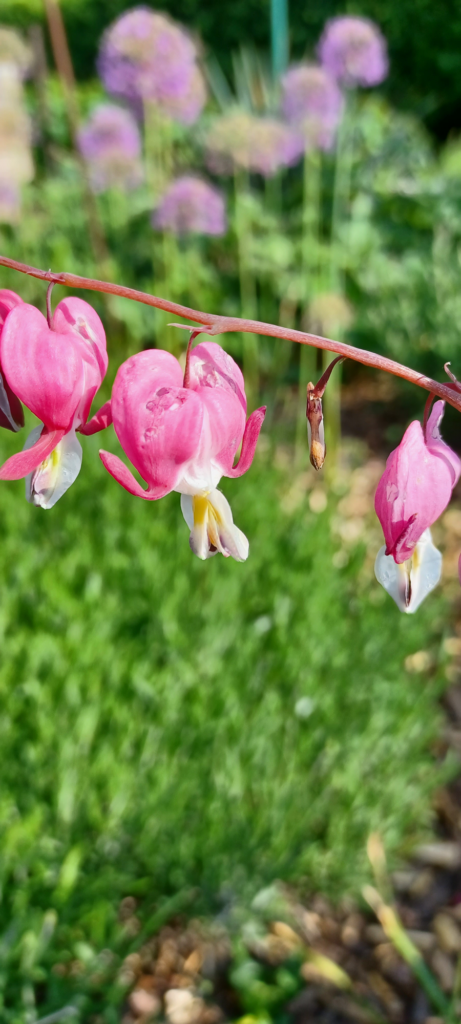
God is a God of mercy. Sparing one’s persecutor is certainly not easy and might be contrary to the general human instinct, but with God and through God things are different. God asks for justice and faithfulness. The reward for merciful actions will come.
In Corinthians we read about the first Adam and the second Adam. The first Adam was of the earth. He didn’t follow God’s instructions and ate of the forbidden fruit. The second Adam was of heaven – we shall ‘bear the image of the heavenly man.’ This Adam follows God’s instructions even if they are contradictory to human nature. In fact, he himself is a heavenly man.
Luke’s message of forgiveness follows up on the Beatitudes. The message is even more radical: “Love your enemies”. We should bless the ones who curse us and turn the other cheek…
The Golden Rule applies to everyone. We don’t want to be judged by humans, led God take the wheel here.
BM