Genesis 12:1-4; 2 Timothy 1:8-10; Matthew 17:1-9
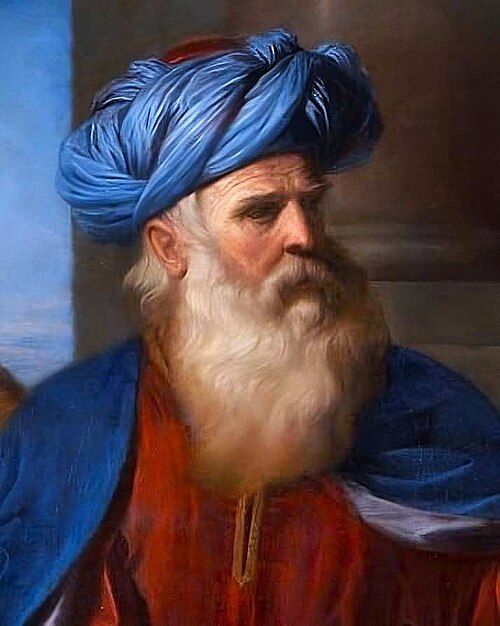
Abram was chosen by God. In a genealogy that describes several men of his family who had sons and daughters, it is interesting that God chose Abram whose wife Sarai was considered barren.
God promises Abram that he would be the father of future generations. Abram might have wondered how this could happen, but God has blessed him and so he places his trust in God and does what he is told.
Leaving one’s country and one’s family behind is not easy, but Abram is not expected to go by himself. He emigrates with his wife, his nephew and their households. From then on, he is not one of his father’s sons but rather the head of a new family.
Abram’s calling by God is the beginning of the people of God.
In his letter to Timothy, Paul reminds Timothy that God has called not only the Jewish people but also the Gentiles. All of us are called – not out of our own initiative but rather because of God’s power and grace.
Just like Abram didn’t ask for anything, but receives God’s blessings, Jesus Christ has been sent to us. Jesus is the Good News made visible to us and the grace that we had already received. As Paul writes also in Ephesians: “For it is by grace you have been saved…”
The transfiguration connects Jesus with key figures of the Old Testament, Moses and Elijah. Jesus chooses three disciples he trusts: Peter, James and John. According to the Mosaic Law, two or three witnesses are required to prove a fact. Jesus takes these three men with him, and together they climb a mountain – the place often chosen for divine revelations.
There, Jesus reveals himself to the three. He is transfigured. The men are blinded by the light, a symbol of truth. This sight would have already puzzled and maybe frightened the disciples, but then, they discover Moses and Elijah talking to Jesus. Apparently, the disciples don’t understand what is being said, but they see that the three interact.
Some people thought that Jesus was a prophet and maybe Peter thought so, too. Peter suggests pitching three tents: one for Moses, one for Elijah and one for Jesus – as if all three of them were of equal importance, and as if they would stay with the disciples.
This is when they hear God’s voice and cover their faces out of fear. When they look up again, Moses and Elijah have vanished. Jesus is still there. Moses who received the Ten Commandments on a mountain and led the Israelites to the promised land had died before the promised land was reached, Elijah who had disappeared into a cloud with a chariot of fire and was expected to return one day. Jesus would be the one to die, overcome death and resurrect.
Elijah had been called by God many times. He couldn’t hide from God and so, again and again he had to convey God’s message to the people.
In this account, God doesn’t speak to Jesus but rather speaks directly to those who are close to Jesus. Out of the cloud comes the confirmation that ‘This is my Son, the Beloved; he enjoys my favour. Listen to him.’
Jesus touches the disciples who have received the message. Through his touch he would have given the disciples power and courage. Then, he descends the mountain with them. While they are three witnesses, Jesus still urges them not to talk about their experience yet. He asks them to wait until the “Son of Man has risen from the dead”.
Did the disciples understand what Jesus meant? Did they understand that Jesus was talking about himself? After just having heard that God called Jesus “Son”, the disciples might have been confused.
God has chosen Abram. Abram, who was later called Abraham is today considered the Father of the Abrahamic Faiths, Judaism, Christianity and Islam.
God has chosen us, Jews and Gentiles, who believe and trust in God and to know that we are saved through God’s grace. We don’t have to be afraid.
God has chosen Jesus Christ, God’s Son and the Son of Man, to bring the Good News to us.
It all started with Abram’s courage to follow God’s calling.
BM