What is true and what is not true? How is truth connected to beauty?
On Saturday, 21 February 2026, a conference led by the Dominican Friars of Australia and New Zealand focussed on the “Beauty of Truth” as seen through the writings of St Thomas Aquinas.
St Thomas Aquinas was born 800 years ago and was a prolific contemplative, writer, and theologian. One of the three mottos of the Dominican Order is “Veritas” (truth), and St Thomas spent considerable time reflecting and contemplating on this concept.
The other mottos are “Laudare, Praedicare, Benedicere” [to praise, to preach, to bless] and “Contemplata aliis tradere” [Give to others what has been contemplated]. Hence, it is not a surprise that his final work, Summa Theologiae, is about his search for the truth.
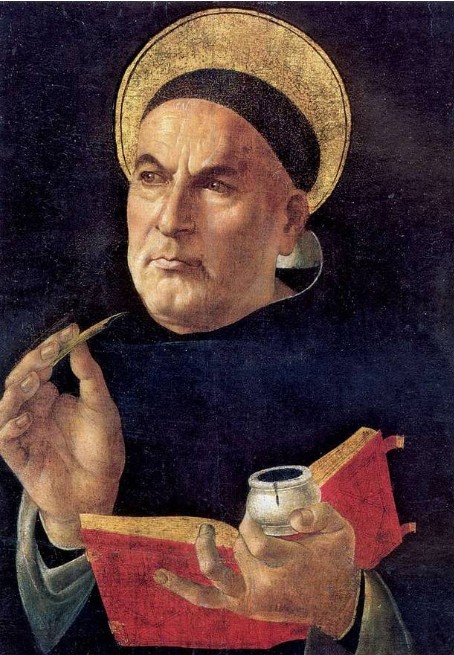
Br Kolbe Garcia OP pointed out that the results of contemplations were given to others for completion. When St Thomas Aquinas died at the age of 49, he had not finished his work on Summa Theologiae, which means that he has left us his contemplations on truth to contemplate further.
Fr James Baxter OP followed with a presentation on the founder of the Dominican Order, St Dominic, whom he called a “Teacher of the Truth”.
While St Thomas Aquinas was a prolific writer, St Dominic was an excellent preacher. He was so good that the Pope declared him a “preacher general” which gave him the permission to preach anywhere in Europe.
In a time of heresies and poorly educated clergy, St Dominic wanted to educate the people and was looking for good and qualified preachers.
For St Dominic, preaching and truth belonged together – if there are no preachers, there is no thinking of heavenly truth. He said that the Word of God for him had a strong savour which was something sweeter than honey.
However, Fr James was highlighting ways in which we can fall into error. These dangers existed 800 years ago, and are still relevant today:
- Dislike of Doubt
People often follow trends and just want to put their minds to rest. - Dislike of Effort
Finding the truth is often hard work and is mentally and physically exhausting. - School Thinking
People tend to live and think socially, which means that they like familiar thoughts. - Self-Interest
Sometimes people just want to believe that certain things are true. - Authority
There is often the assumption that the person with authority knows better, and sometimes there is no choice but to believe a certain truth, e.g. one’s date of birth.
In his presentation on “Truth as the Beginning of Freedom”, Fr Anthony Walsh OP challenged the audience with the question: “What if the freedom you are looking for is impossible without truth?”
St Thomas Aquinas defined the truth as the situation when the mind matches reality. However, the idea of truth bringing us peace clashes with today’s understandings of “my truth” and “your truth”. This leads to the thought that true freedom is when you can be who God meant you to be.
What is true and what is not true can be decided by a judge who listens to witnesses who have seen the same situation from different angles. Ideally, keeping the Law is not to be seen as restrictive, but as a rational order for the Common Good.
Truth and justice belong together and would hopefully lead to peace – but why would truth be beautiful?
Fr James Baxter OP based beauty and truth on the foundation that everything is beautiful as it is created by God.
Something that is good is beautiful and that something that is beautiful is good. This concept promotes the thinking that everyone and even every living creature are beautiful and good.
St Thomas Aquinas argued that there are three components to beauty:
1. Integrity / perfection
2. Due proportion / harmony
3. Brightness / clarity
Jesus was beautiful of sight and gracious in speech: “the Word made flesh, the splendour of the Father”.
The presentations certainly have given the audience food for thought. It is amazing how the truth of these contemplations still inspire after 800 years.
However, some of us did wonder whether St Thomas’ definition of beauty excludes people with illness or disabilities. It reminds us of Samuel’s anointing of David where God reminds Samuel that God does not see people as we do. God sees wholeness and perfection quite differently to what we expect them to be, and with God’s healing, we too may see people as God sees them .
It is important to remember that Jesus was challenging situations that he considered to be unjust. He spoke truth to power.
It is now up to us to persevere and to ensure that nobody is left behind.
BM