Malachi 3:19-20; 2 Thessalonians 3:7-12; Luke 21:5-19
Malachi addresses any offenses when sacrificing, reminds the priests of their duties and the ones who offer sacrifices to be righteous.
In Malachi 3:5 the requirement of integrity includes condemning “those who deprive a labourer of wages”. The passage is a warning. Those who are arrogant and believe they can get away with their wrong doings at the expenses of others will be destroyed.
The punishment is through heat (burning like a furnace), but the reward is also through heat (sun of righteousness). The process of purification is similar to the production of precious metals. The healing brought through rays of sunshine or wings is comforting. Heat and light are essential for life but if they are too strong, they can also destroy life. It depends on the intensity. The intensity needs to be right. Those who are going to survive God’s wrath will be those who are righteous.
Justice will see the light of day, and the healing process will start.
In his letter to the Thessalonians, Paul gives advice to the readers. Just like done with the Didache for the early Christians, some instructions are laid out and explained how to behave and how to react on other people’s behaviour. Thessalonica was an important strategic, economic and administrational centre in the Roman Empire. People of different languages and cultures lived in this city and Christianity was spreading far beyond the Jewish culture where people were familiar with a common set of rules. Paul and his companions were working in their respective trades and preaching in the city. They were staying in the city for a while and didn’t want to be considered as a burden to the society.
Unfortunately, this passage has often been misinterpreted in refusing food or support to those who don’t work. However, this is not what is said. It is about not supporting people who refuse to work. This means that those members of the community who are unable to work for lack of strength and opportunity, for example, still need to be important.
We might have to clarify it for today’s world in saying: we all need to support each other, and can do this in many ways – financially, spiritually, emotionally. Use the skills and opportunities given to you like the talents that you can multiply. Don’t be idle. Be active and self-sufficient. Don’t be a burden to others if you can support yourself through work.
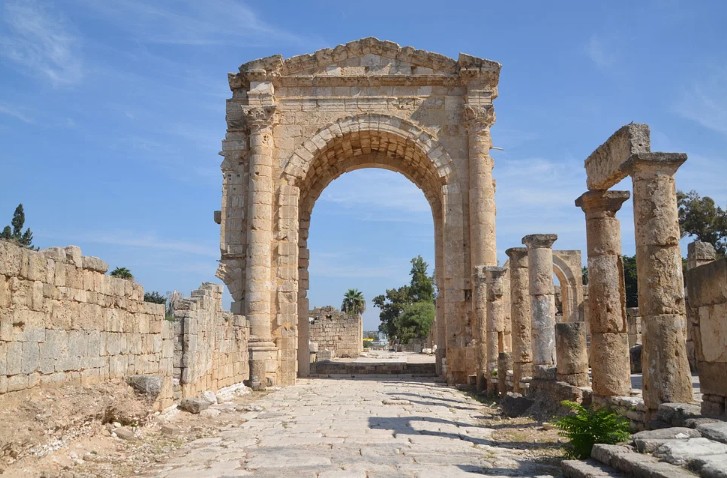
In the Gospel according to Luke, Jesus foretells the future just as the prophets before him did. He criticises excessive adornments and rebukes those who think that they can construct buildings for eternity. When Jesus prophesies the destruction of the temple, the people around him ask when this would happen. Why did they not ask why the temple would be destroyed? Why did they not ask if there was any way that they could avoid the destruction by doing penance or by turning their lives around?
Jesus is asked when. Maybe they were thinking of Noah who was warned of the flood and could escape? They were certainly looking for a way to save themselves.
However, rather than comforting his followers by giving them more information about the deadly destructions, Jesus warns them of false prophets who promise exactly what they would like to hear: the time of destruction, the warning.
Jesus prepares his followers for the hard times they would have to endure, leaving behind everything that is familiar to them, but he also comforts them that they could trust in God. They will be saved in the end. Their suffering will win them life.
These prophesies reiterate that our current lives can be shattered at any moment. People around us whom we trusted can betray us, buildings we thought were strong and safe can be destroyed by wars or natural disasters.
The only one who won’t disappoint us is God. If we endure pain and suffering because of His name, we will be saved.
BM