Ecclesiasticus 35:12-14, 16-19; 2 Timothy 4:6-8,16-18; Luke 18:9-14
Quid pro quo for God?
In the first part of Ecclesiasticus 35, the Laws of God are explained as rules of how to please God. One word that is mentioned there again and again is the word ‘righteous’. This word is attributed to very few people in the Scriptures, such as Abraham, Noah and then, in the New Testament, also Joseph. They were very special.
Sacrifices, gifts and prayers are to be brought to God in a righteous way. The focus is not on the types of sacrifices, on the financial contributions given – but rather on the way that they are given, the inner attitude when a person complies with the rules. Social standing or success in life are not relevant. God sees into our hearts. God is good, and God is a judge who will bring justice to the disadvantaged.
In 2 Timothy 4, Paul points out that it is Jesus Christ who is the judge over the living and the dead. Paul is ready to depart from his friends and followers and gives his instructions on how to please God. As he is ready to depart, he concludes: ‘I have fought the good fight, I have finished the race, I have kept the faith’. He is convinced that the ‘crown of righteousness’ is ready for him. Here is this word again: righteous.
Paul is very clear that any success he had was due to God, and that he survived the challenges thanks to God. As he said earlier in the chapter, he has a clear conscience and strong faith.
His message is that of hope. If we truly believe and do our best to do God’s will, God will take us to the heavenly kingdom that will wait for us.
Does Paul’s confidence in being saved contradict to the message we hear in Luke? Here it says: ‘For everyone who exalts himself will be humbled, but the man who humbles himself will be exalted.’ Paul doesn’t exalt himself, but he rather attributes all he is to God and to his faith.
The pharisee, however, not only praises himself, but he even compares himself to someone whom he might not know very well.
While he says, ‘thank you’, it doesn’t seem to come from the heart. It seems more like a platitude and introduction to his praises on himself. He brags about who he is and what he is doing, but his judgmental way of talking about others clearly shows that he feels entitled to be preferred to anybody else. If he had read Ecclesiasticus attentively, he would have known that righteousness doesn’t come as an entitlement but rather through attitude, faith and truly following God’s will, even if it might be hard.
The tax collectors were usually not poor, but they lived at the margins of society. In order to make his living, the tax collector would have had to be hard on people and even unjust. However, he doesn’t just go to the temple, donates a lot of money and then brags about it. No, he is experiencing a true change of heart. He regrets his previous behaviour and humbles himself.
After telling this parable, Jesus actually invites himself to Zacchaeus, the tax collector – much to his disciples’ astonishment. Zacchaeus also humbled himself by climbing on a tree just to see Jesus, and he was subsequently honoured with Jesus’ presence in his house.
It is so easy to decide on who is righteous and who isn’t if we follow human rules and regulations. We can see if someone pays tithes or if someone is unjust. If we have any doubt, we can call a witness.
How much more difficult is it to judge if someone is truly righteous, if someone has deep faith and abides by God’s laws out of love for God and humanity rather than out of duty?
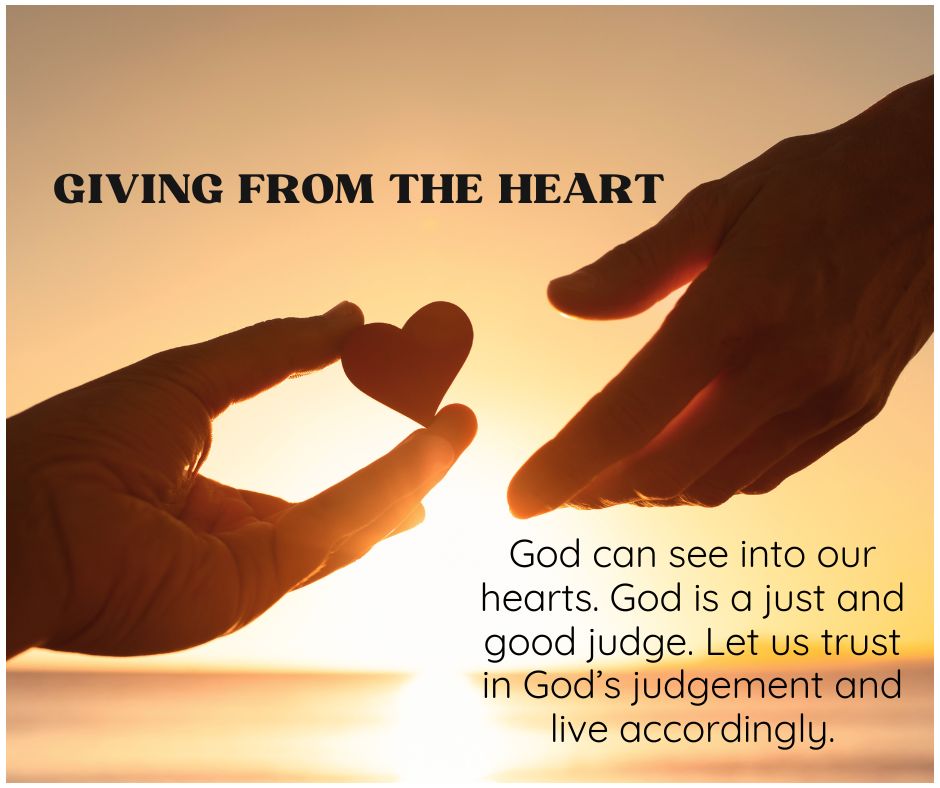
God can see into our hearts. God is a just and good judge. Let us trust in God’s judgement and live accordingly.
We have no entitlement to a preferred treatment by God, and we are reminded of it each time we pray the prayer that Jesus taught us: “Your will be done…”
BM