Amos 8:4-7; 1 Timothy 2:1-8; 2 Cor 8:9; Luke 16:1-13
Money has been used since pre-historic times, and most likely has always been a blessing and a curse. Having money stands for having the opportunity to make one’s dreams come true and the lack of it means that basic needs are not being met. Since moving on from the barter system, it has become easier to horde money, valuables and therefore wealth.
This Sunday’s Readings focus on the dangers and opportunities offered by money. Even the Gospel Acclamation refers to it: “Jesus Christ was rich but he became poor, to make you rich out of his poverty.” (Cor 8:9). In which way did Jesus became poor? By living among us as a fellow human being rather than enjoying a potentially royal splendour of God’s Heavenly Kingdom?
Amos was, as so many other prophets, a prophet against his will. He certainly wouldn’t have enjoyed warning people of God’s wrath and had to endure being sent away from communities who didn’t want to hear any criticisms. In this Sunday’s Reading, he criticises those who don’t understand God’s gift of a day of rest but rather see this time of rest as time that doesn’t allow them to trade. Doesn’t this sound familiar in today’s world?
The people who are addressed are only concerned for their own wealth which comes at the expense of the poor who have no choice and will have to pay.
St Paul’s advice to Timothy is a call to action: pray for everyone. What is surprising is that he adds “especially for kings and others in authority”. At first glance, these people would usually be wealthy and wouldn’t need the prayers as much as those who are disadvantaged in society. However, the goal of these prayers for the wealthy are not about their wishes, but rather that they will open their hearts and do God’s Will – a follow-up to last week’s Readings.
God’s Will includes peace for everyone which will only be revealed to us if we can step beyond our own, human dreams and aspirations. This would be truly following Jesus in words and action.
When Jesus addresses His disciples and tells them the parable of the shrewd manager, this same person is sometimes called the ‘unjust’ manager. How would his actions been properly described? For our human, our earthly world, it is clear: he was entrusted with his master’s property, but he was caught wasting it. So, it is understandable that his contract was ended. The master gave him the chance to prepare the final accounts. This is surprising as one would have expected a neutral person to do them. Maybe this was a final chance for manager to show that his wasting was not so severe that he would have to be thrown in jail.
This is where the steward sees his chance. From our human point of view, while he is not stealing his master’s properties for his own use, he continues to waste his master’s property by cancelling debts that the master could have demanded – hoping that this will help him in the future.
However, if we look at the situation in the light of the first Readings, God wants peace for all and despises the wealthy when they take advantage of the poor and treat them with disrespect.
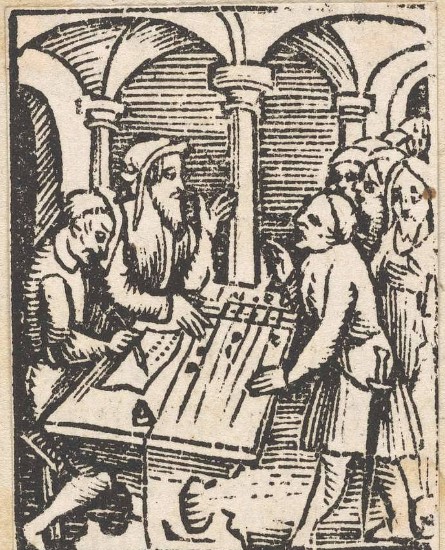
So, the manager has done God’s Will. He has been generous in cancelling debts – even though his generosity was done with property that didn’t belong to him.
How did his earthly master react? What were his choices anyways? His debtors would have certainly known that the one who ultimately cancelled some of their debts was the master. They are likely to have celebrated the master’s generosity. Would the master have the courage to tell them that his steward had cancelled debts without the authority to do so?
In conclusion, one might say that a win-win situation has been achieved, and everybody is saved: the master is celebrated for his generosity, the manager has made new friends, and the debtors have been forgiven some of their debts.
This is a wonderful example of how giving and receiving are connected. We can adapt the story and name God the master and all of us the debtors or we might be in the role of the stewards of God’s Creation
We are called to ask ourselves: what are we doing with our belongings, our power or even wealth. Are we seeking to do God’s Will – and hence preparing for our own future?
BM