Wisdom 9:13-18; Philemon 9-10,12-17; Luke 14:25-33
The Book of Wisdom challenges anybody who pretends to know what God meant to say or do.
Jesus taught us to pray “Thy will be done”. This leaves it open what God’s Will is. The prayer doesn’t say “I will do your Will” – because we don’t know God’s Will. Our prayer might express wishes or pleas, but ultimately, we need to acknowledge that it is not about our will but about God’s Will. However, there is no need to be concerned as we know that God loves us. We might not understand it when we feel that life is not fair to us. God’s Will is not necessarily our will, but God will give us the strength to bear our burdens.
‘Who can divine the will of the Lord?’ The English word ‘divine’ is used here in the sense of perceiving intuitively – and yet, it is the same word that, used as an adjective, relates to God. We can try to trust our intuitions and believe we are doing the right thing, but it is only when we act with the wisdom and through the Holy Spirit that we can please God.
In his letter to his Christian friend Philemon, Paul recommends Onesimus. He seems to have grown fond of Onesimus, Philemon’s runaway slave who was in prison with him and who has since become a Christian. Paul accepts his own sufferings and his life in prison for the sake of following Jesus, and Onesimus has obviously been good to him. So, he asks his friend in a very persuasive way for Onesimus to be freed not only from the prison but also from being a slave. His conversion has changed him. For the followers of Jesus, there are no Jews nor Gentiles, nor slaves… Paul becomes an advocate for Onesimus, but he leaves the decision to his friend.
While Paul has been carrying his cross in prison, he met Onesimus who, through Paul’s preaching, converted to Christianity. Paul’s sufferings have led to Onesimus’ conversion – and most likely him being forgiven by his owner Philemon. The result of Paul’s imprisonment would then have led to a change of heart for both Onesimus and Philemon. Who would have guessed? – ‘Who can divine the will of the Lord?’
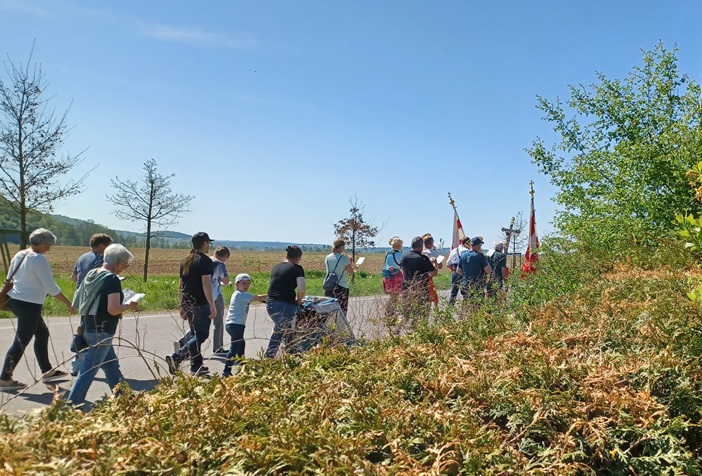
Jesus reiterates that his followers need to be ready to potentially suffer.
While the word ‘hate’ is used to describe the relationship with other usually very special persons in one’s life, this word might only be used to reinforce the huge contrast to the love that the disciples need to feel for Jesus to be able to really follow him.
Following Jesus with all their hearts, minds and bodies. It is not shared love but true surrender. Jesus doesn’t promise prestige or honours if someone follows him. He warns that there is ‘a cup to drink’ that is not easy.
Just like a builder who needs to know what a building project involves and a king who needs to consider if it is wise to defend his people or rather to surrender, the followers of Jesus need to be prepared to leave their old lives as well as all belongings and relationships behind so that they can follow Jesus with their full beings.
By leaving everything behind, the disciples will change radically and will surrender to the Will of God. The most prominent example of a person who followed this call was St Francis of Assisi.
Following Jesus in such a radical way is certainly not easy, and we have to discern what we can do and what we can’t – before we commit ourselves.
BM