Exodus 3:1-8,13-15; 1 Corinthians 10:1-6,10-12; Luke 13:1-9
During the time of Lent, we have read about several accounts that took place in the wilderness, in the desert. Now we hear about Moses, leading the flock of Jethro to the far side of the wilderness, and we learn that this is where Horeb, the mountain of God is.
It is there where Moses is portrayed as someone very special. He is drawn to a flame in the bush that is burning but is not consuming the bush. He is not aware that this flame is the angel of the Lord. Why did the angel appear as a flame? Did he not want to be identified or was this the way to catch Moses’ attention? We don’t hear if Moses took off his shoes but when Moses realises that God speaks to him, he covers his face – knowing of the belief that the one who sees God would die.
Without Moses complaining directly to God, God promises the Land of Milk and Honey for the Israelites.
It is amazing how pragmatic Moses reacts. After he has just seen the miracle of a flame that burns and doesn’t consume, and having heard that God promises a Land of Milk and Honey, he thinks immediately of passing on this message. Then he realises that he needed to tell the people who gave the promise to him: the “I am who I am”. This sounds as if it was a defiant statement – someone saying that it wasn’t the other one’s business to ask.
Rabbi Jonathan Kligler, on the contrary, translated this passage very differently. He pointed out in his writings that “I am who I am” was an inaccurate translation. God was rather pointing out that God was the past, the present and the future. Therefore, Kligler translated: “I am life unfolding”.
In his letter to the Corinthians, Paul reminds his audience of the rules God gave to Moses.
He reminds them of how their ancestors were guided by a cloud above them and water below them.
Moses was chosen to be the great leader of the Israelites. During the years through the desert, they all had the same food and drink – which Paul defines as the spiritual nourishment through Jesus.
God is protecting the Israelites, but they are warned not to be complacent and to never forget what God did for them.
In the Gospel according to Luke, Jesus focuses again on repentance and mercy.
While the first two Readings are very clear: Moses is told that the Israelites will get another chance, and Paul warns the Corinthians that they need to live their lives in a way that pleases God.
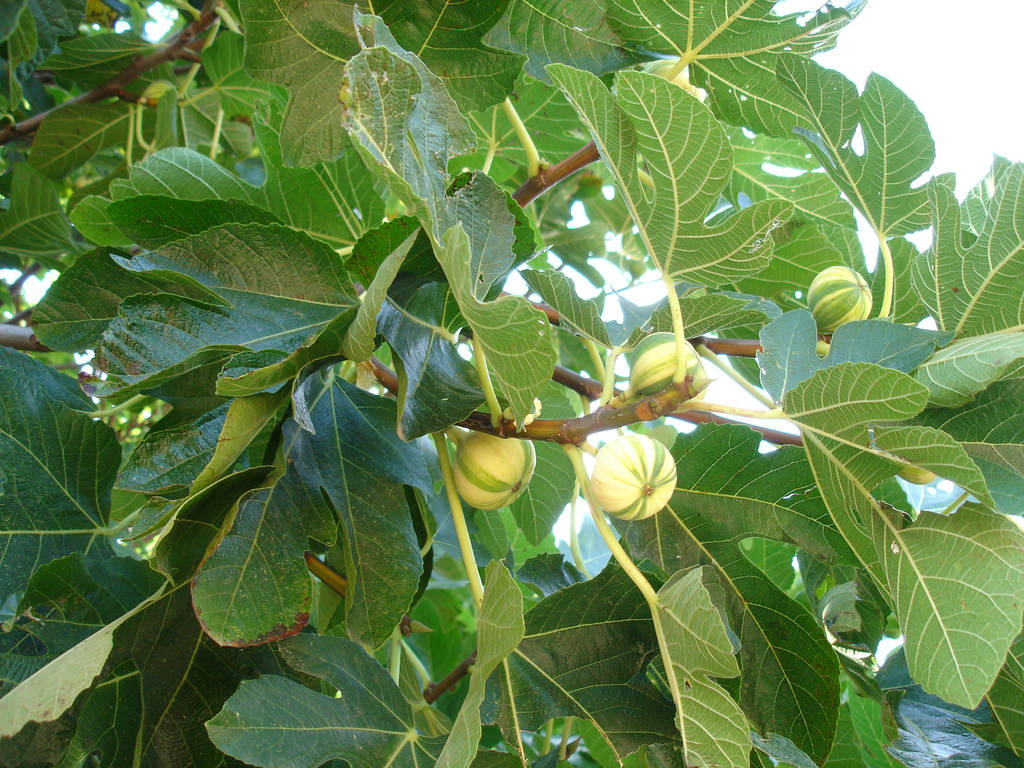
Jesus uses a parable. However, it is not a parable of a person having done something wrong and asking for forgiveness, but it is rather a tree. The tree can’t speak and so the story involves the story of the caretaker of a fig tree.
The tree has an advocate, a person who begs to give it another chance. The part of the story that is often forgotten is that this “advocate” not only asks for a pardon for the tree but also offers his support. The advocate is actively suggesting of how to contribute to the tree being healthy and productive. Does this mean that the tree had not received the care that it should have received? Is the caretaker admitting his negligence and repenting?
Why was the fig tree planted in the vineyard in the first place?
The fig tree is the only tree named of all trees in the Garden of Eden, and it often symbolises prosperity and spiritual health of the Israelites. Consequently, if this tree doesn’t bear fruit, their spiritual health is in decline.
If we think about it, we are likely to think of relationships that we have not cherished and cared for enough only for them to be even more neglected to a point that they can’t survive.
God wants us to think of our relationships to God, our families and friends, and our environment – and even our attitude to ourselves. Do we really do enough to show we care?
BM