Reflection on the Readings for 05 Jan 2025:
Isaiah 60:1-6; Ephesians 3:2-3,5-6; Matthew 2:1-12
In Aotearoa New Zealand, the Feast of the Magi is not celebrated as a separate feast day on the 6th of January as it is the case in many other countries. So, this year, it is celebrated one day early.
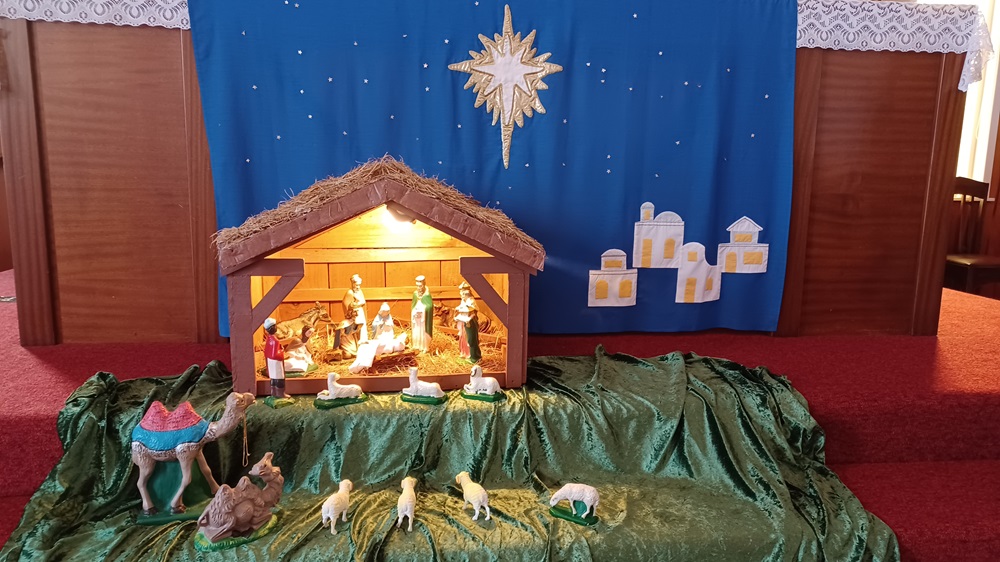
We are still in the Christmas season – the time of the feast of lights and stars. All over the world, people have been decorating Christmas trees, living spaces, houses and streets with many lights and often combined with stars.
A beautiful example of this light to the world is in the first Reading, where it says, “The nations come to your light and kings to your dawning brightness”.
Isaiah also mentions symbols that we later relate to the Feast of the “Wise Kings”: a camel and the gifts gold and incense. Gold is seen as a symbol for kings and royalty. Incense with its aroma rising towards heaven, symbolises the prayers and the offerings to God.
In Exodus (30:34-38), Moses was instructed by God how to make incense. One of the ingredients mentioned there is frankincense.
Isaiah spreads joy and hope in this passage. The gifts mentioned in connection with Sheba are mentioned in the Book of Kings where the Queen of Sheba arrives with a large caravan with precious stones, spices and gold.
In last week’s Readings it was about families and inheritance. Jesus is of the House of David, so he is of royal descent.
As the Gospel is spread, the gentiles might have asked about their relationship with Jesus. If we are not Jewish, are we still able to inherit the Kingdom of God?
In the Letter to the Ephesians, Paul is clear: we are all part of the same body, and we all share the same inheritance.
With the arrival of the Magi in Bethlehem, the message of the birth of Jesus has already spread far. The message has reached the gentiles.
What do we know about the Magi? The term was used for the Zoroastrian advisors to the Persian kings. They were known to be very knowledgeable in astronomy and astrology, which means that they studied the stars and planets and believed that they had an affect on events that occurred.
These wise men saw the bright star and followed it, convinced that this star had announced the birth of a great king.
When they arrived in Jerusalem and visited King Herod, they might have thought that the new king was born into his family. Why else did they go and see Herod and end up asking him for the way? Did they lose sight of the star for a short while or did they visit Herod to share with him the good news of the newborn king?
It was Herod’s wise men, his scholars and scribes who pointed to Bethlehem. Once they learned about it, the star is back.
What does it mean that the wise men asked Herod and only after listening to his wise men, they saw the star again? Did they think that they had reached their goal when they arrived in Jerusalem?
Jerusalem was the city with the temple and the political power. It is not surprising that we hear about this encounter only in the Gospel Reading from Matthew. The most powerful people in the land, the king and the scribes point to Bethlehem where Jesus was born.
The power of God is not of this world. Gentiles are alerting Herod and the scribes of the birth of the new king. They bring gold, frankincense and myrrh when they pay homage to Jesus.
Gold, the symbol of royalty. Frankincense, the symbol of prayer. Myrrh, announcing Jesus’ death and resurrection.
The wise men saw the bright star and followed it. They left their homes behind and came to pay homage to the newborn king. They didn’t give up when they realised that the new king was not part of the royal family in Jerusalem.
They were the first to recognise Jesus as the Messiah.
When do we see a bright light in someone – or when do we lose sight of a shining light? Maybe we need to stop and reflect every now and then, ask others for the way but continue to listen to God’s voice and discern our next steps.
BM